




A future present with earlier diagnoses Detecting it early changes everything

DIAGNOSE EARLIER

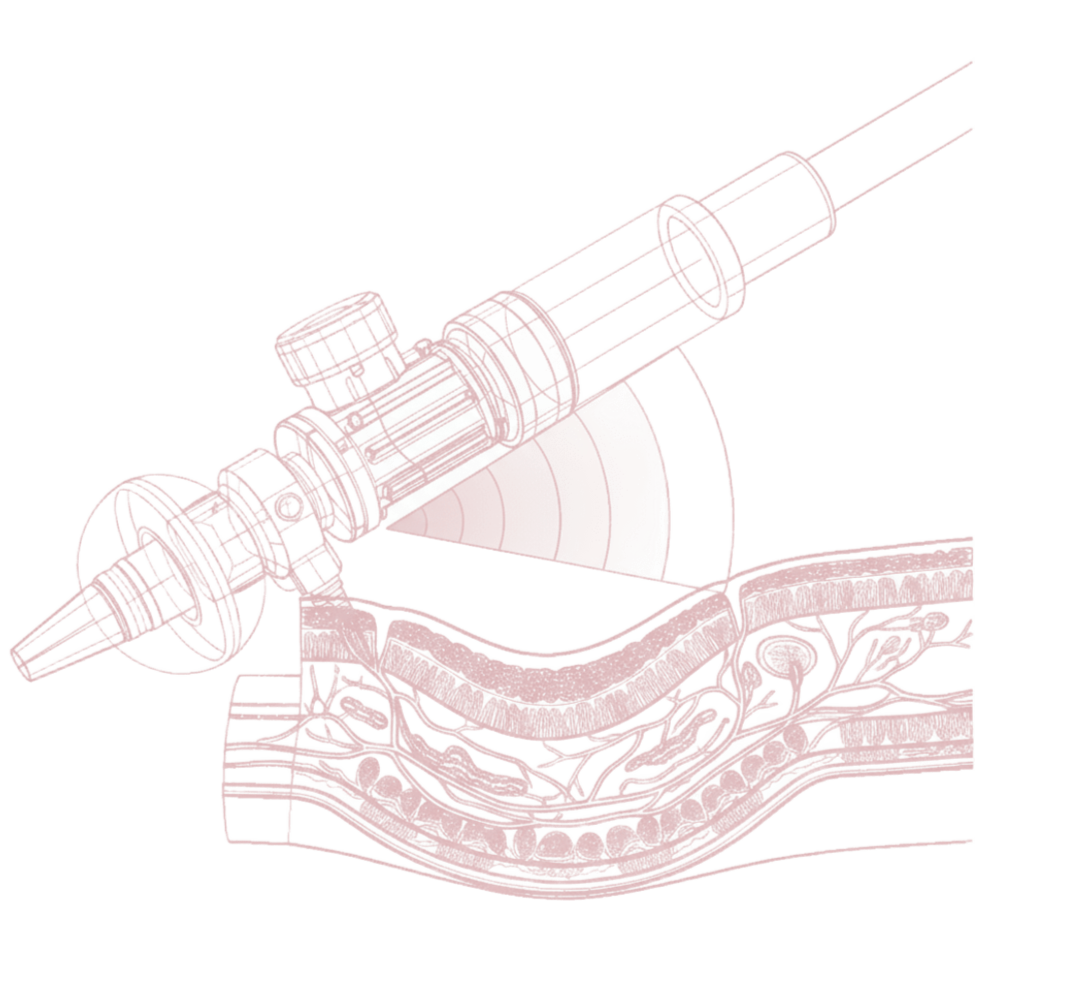
It is possible to diagnose more cancers at early stages, when they are asymptomatic and can be cured with less aggressive treatments

AT PRESENT

We have new methods for detecting cancer. In our Early Diagnosis Unit, we want to bring these new technologies and knowledge to people.

As doctors, we feel the need to implement these advances to make them accessible to people, and also to collaborate and take part in the development of these technologies through clinical implementation and research.

As doctors, we feel the need to implement these advances to make them accessible to people, and also to collaborate and take part in the development of these technologies through clinical implementation and research.

WHY?

Detect earlier

There is a clear need to diagnose cancer earlier in order to achieve more cures and use less aggressive treatments.

Pending advances

Current population screening methods are necessary and recommendations should be followed, but they are far from solving the problem.

Early diagnosis

Survival rates for cancer diagnosed at an early stage are very high.

Current challenges

Currently, tumours that do not have screening methods account for 71% of cancer deaths.

Technology

For some years now, we have had the tools and technology needed to make significant progress in that direction.

WHY?

Detect earlier

There is a clear need to diagnose cancer earlier in order to achieve more cures and use less aggressive treatments.

Pending advances

Current population screening methods are necessary and recommendations should be followed, but they are far from solving the problem.

Early diagnosis

Survival rates for cancer diagnosed at an early stage are very high.

Current challenges

Currently, tumours that do not have screening methods account for 71% of cancer deaths.

Technology

For some years now, we have had the tools and technology needed to make significant progress in that direction.

HOW?


In our Early Diagnosis Unit, we carry out a comprehensive assessment of the individual and propose strategies based on scientific evidence.

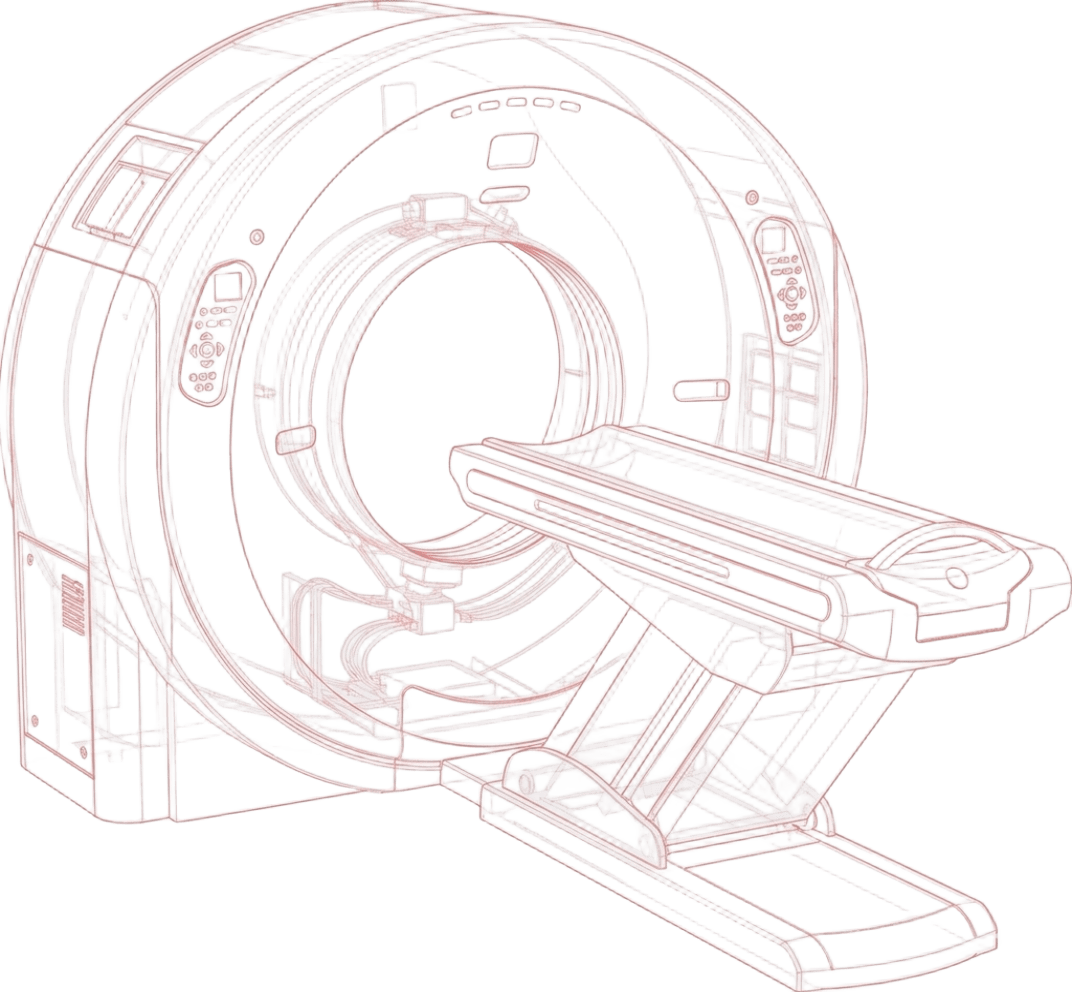
Chest CT scan

Imaging examination that allows detection of lung abnormalities at very early stages.

MRCP (magnetic resonance cholangiopancreatography) / endoscopic ultrasound.

Advanced techniques for studying the pancreas, liver and biliary tract.

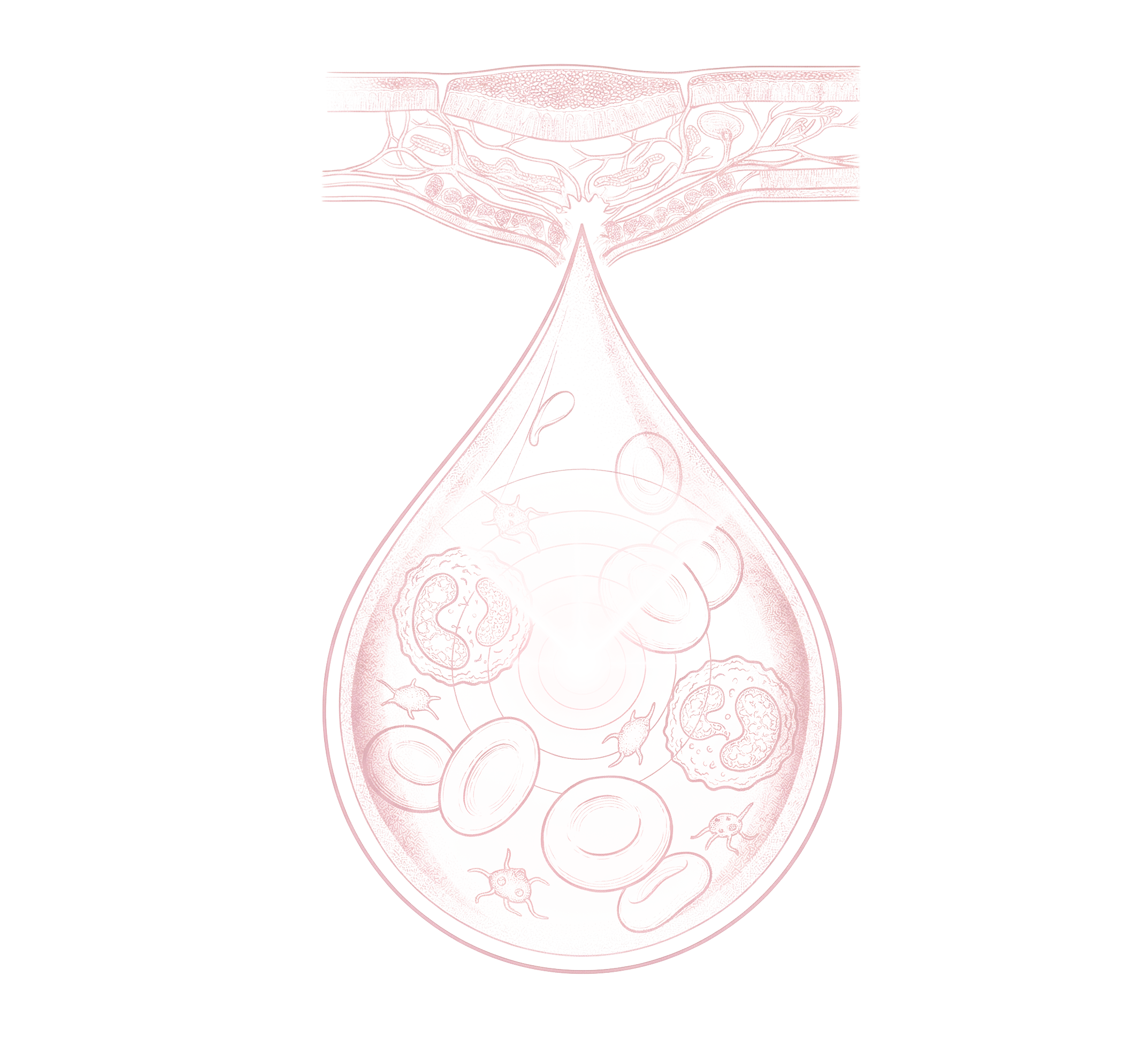
Blood liquid biopsy

Search for tumour cells or altered DNA to detect asymptomatic tumours.

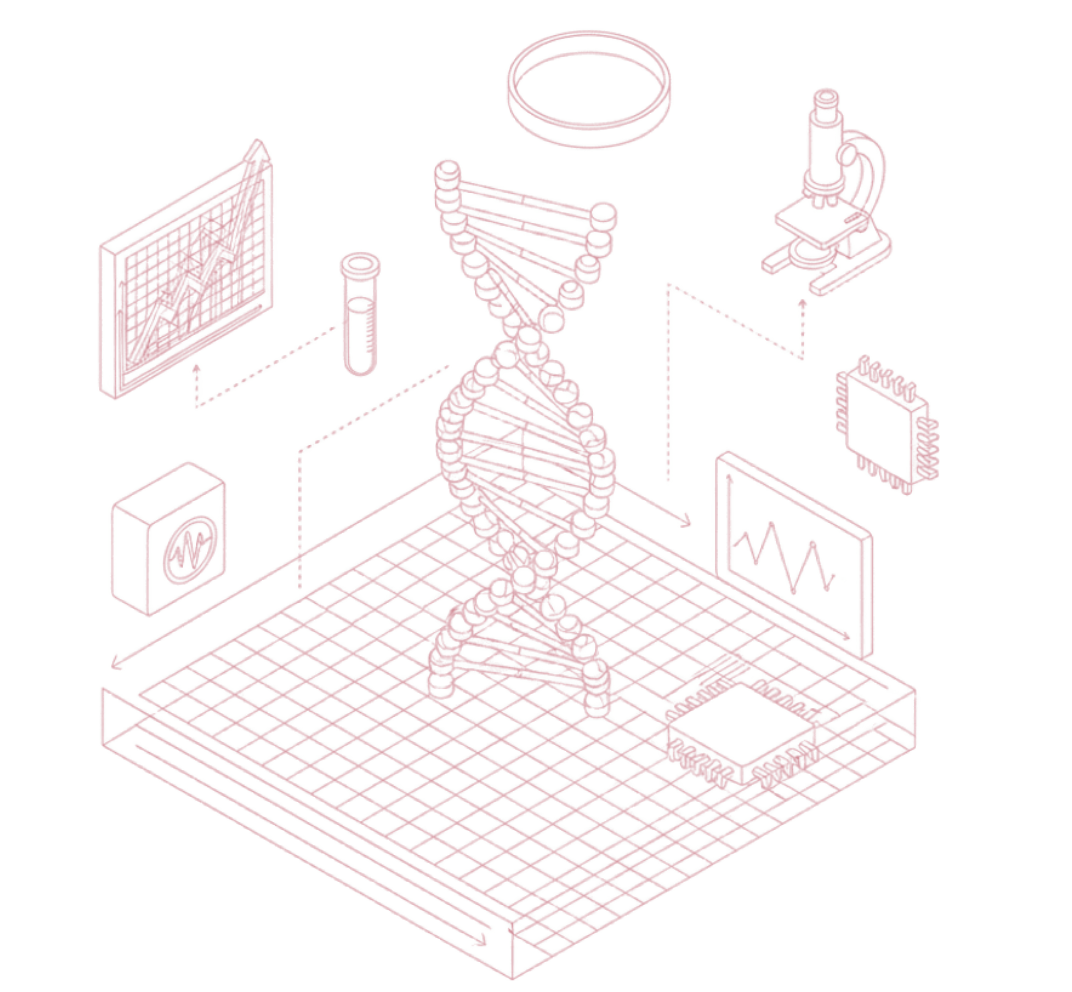
Urine genetic analysis

Non-invasive test to detect urological tumours earlier, through analysis of DNA methylation patterns in urine.

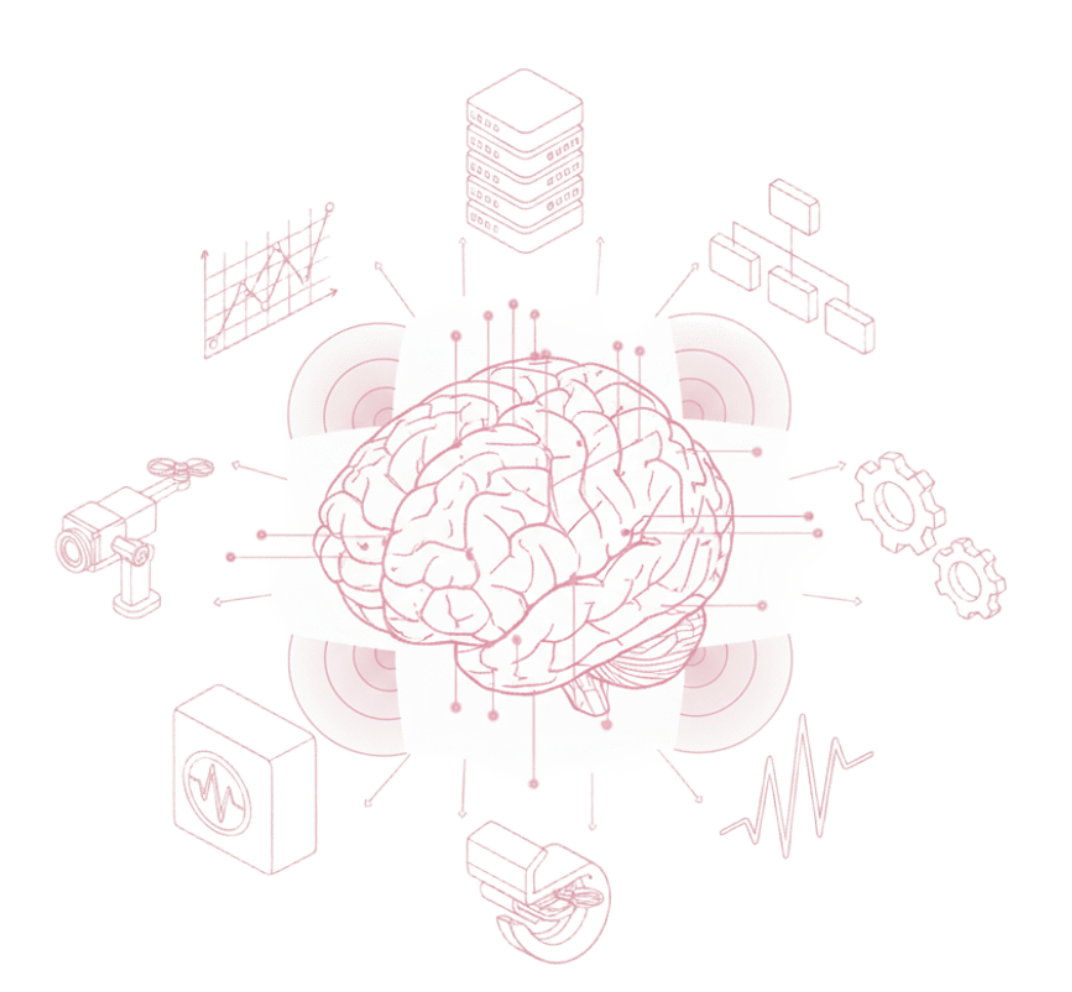
Artificial intelligence

AI applied to genetic and protein analysis in blood.

Optimisation

We optimize existing screening programs for breast, colon, prostate, and lung cancer based on the characteristics of each individual.
;

FOR WHOM?

Anyone over 40 years old who wants to benefit from the available knowledge and technology to detect cancer when it is still curable. Our Early Diagnosis Unit aims to provide access to anyone interested in what we consider to be the best approach to cancer, alongside prevention. Follow-up in our unit does not replace national screening programmes, which remain recommended and necessary.

;

WHAT IF IT COMES BACK POSITIVE?

If a test comes back positive, we will accompany you throughout the entire subsequent process if you wish. We have a team of psychologists who can also provide psychological support in the event of a positive result.

WHO ARE WE?

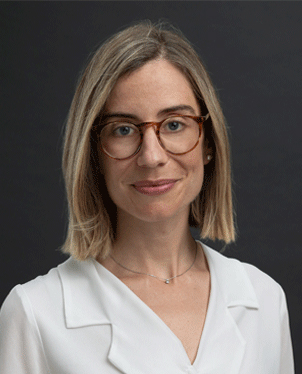
Lucia Carril Ajuria

Medical Oncology Specialist from the Hospital 12 de Octubre in Madrid, specializing in genitourinary tumors. Participant in clinical and translational research projects at the Gustave Roussy Institute in Paris.

PhD from the Complutense University of Madrid with Cum Laude distinction. She holds a University Diploma in Clinical Oncology and a European Diploma in clinical and translational cancer research from the University of Paris-Saclay.

She has numerous scientific publications and presentations at conferences as first author, and has received Merit Awards from the American Society of Clinical Oncology. She is a reviewer for international journals and a recipient of various research grants from Spanish and international societies.

She currently works as a medical oncologist at Saint-Pierre University Hospital in Brussels and at the Early Diagnosis Unit.

Member of SEOM, BSMO and ESMO.

Languages: Spanish, English and French.

Lucia Carril Ajuria

Lucia Carril

View CV

Jesús Poveda Ferriols

Medical doctor specialised in Medical Oncology at the Hospital Clínico Universitario de Valencia, with a focus on breast cancer and gynaecological tumours. He holds a Master’s degree in Clinical Medicine from the Camilo José Cela University in Madrid.

He is the Principal Investigator for multiple Phase 3 clinical trials and has authored several scientific publications and presentations at international congresses as first author."

He currently works as a medical oncologist at Saint-Pierre University Hospital in Brussels and at the Early Diagnosis Unit.

Member of SEOM, BSMO and ESMO.

Languages: Spanish, English, French and Valencian.
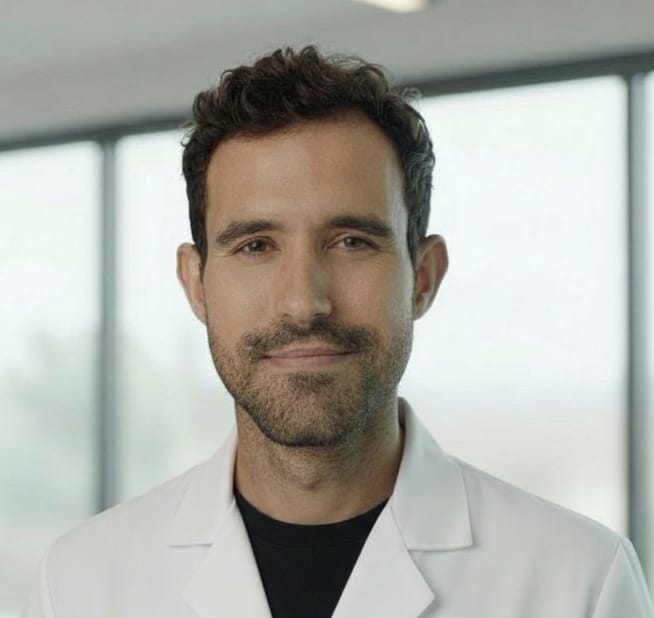
Jesús Poveda Ferriols

Jesús Poveda

View CV

WHERE DO WE CONSULT?

Saint-Pierre University Hospital, Brussels


Urosalud Clinic, Valencia


Online

WHERE DO WE CONSULT?

C.H.U. Saint Pierre Bruselas

Urosalud Clinic, Valencia

Online